East of Eden
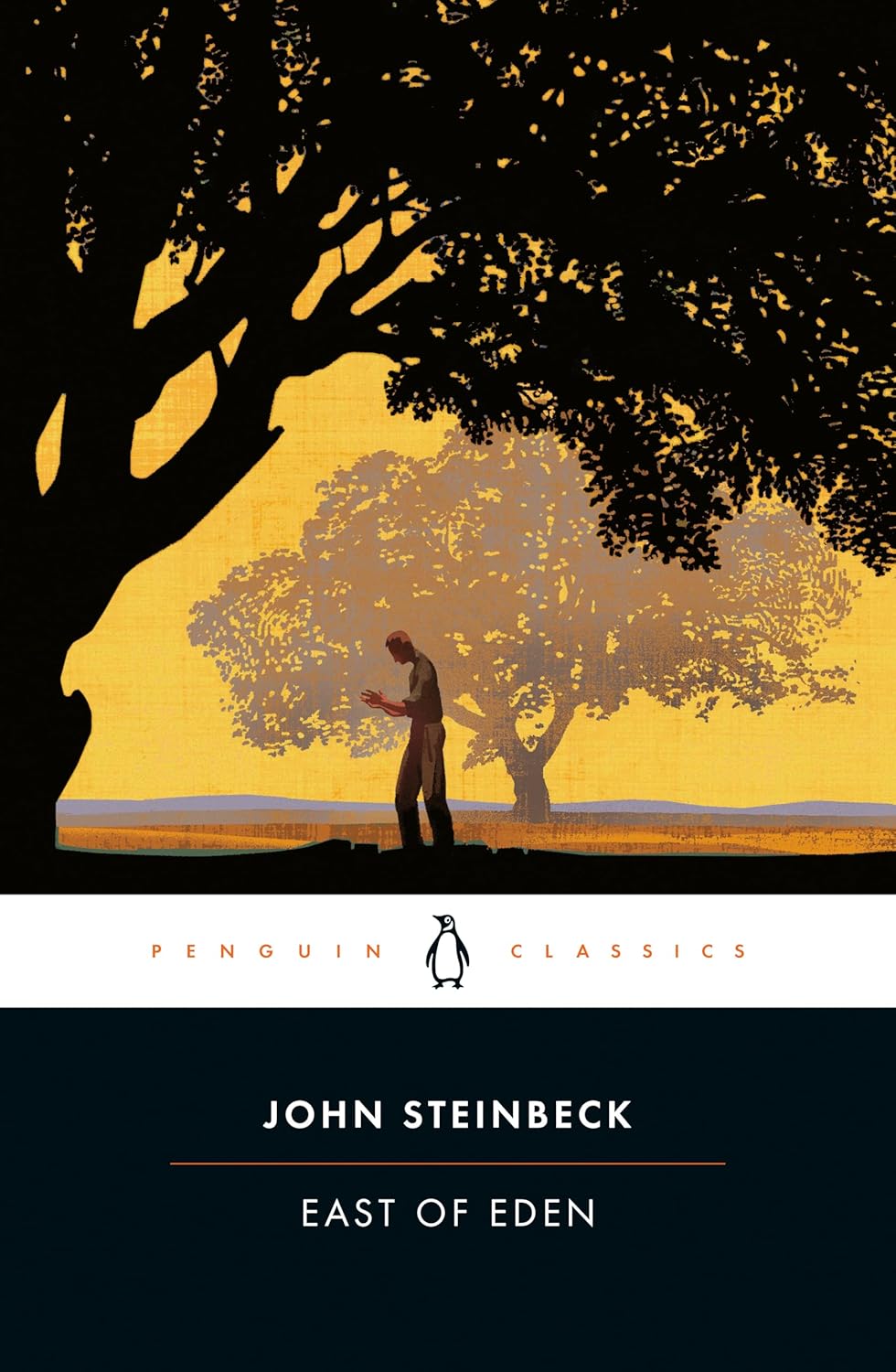
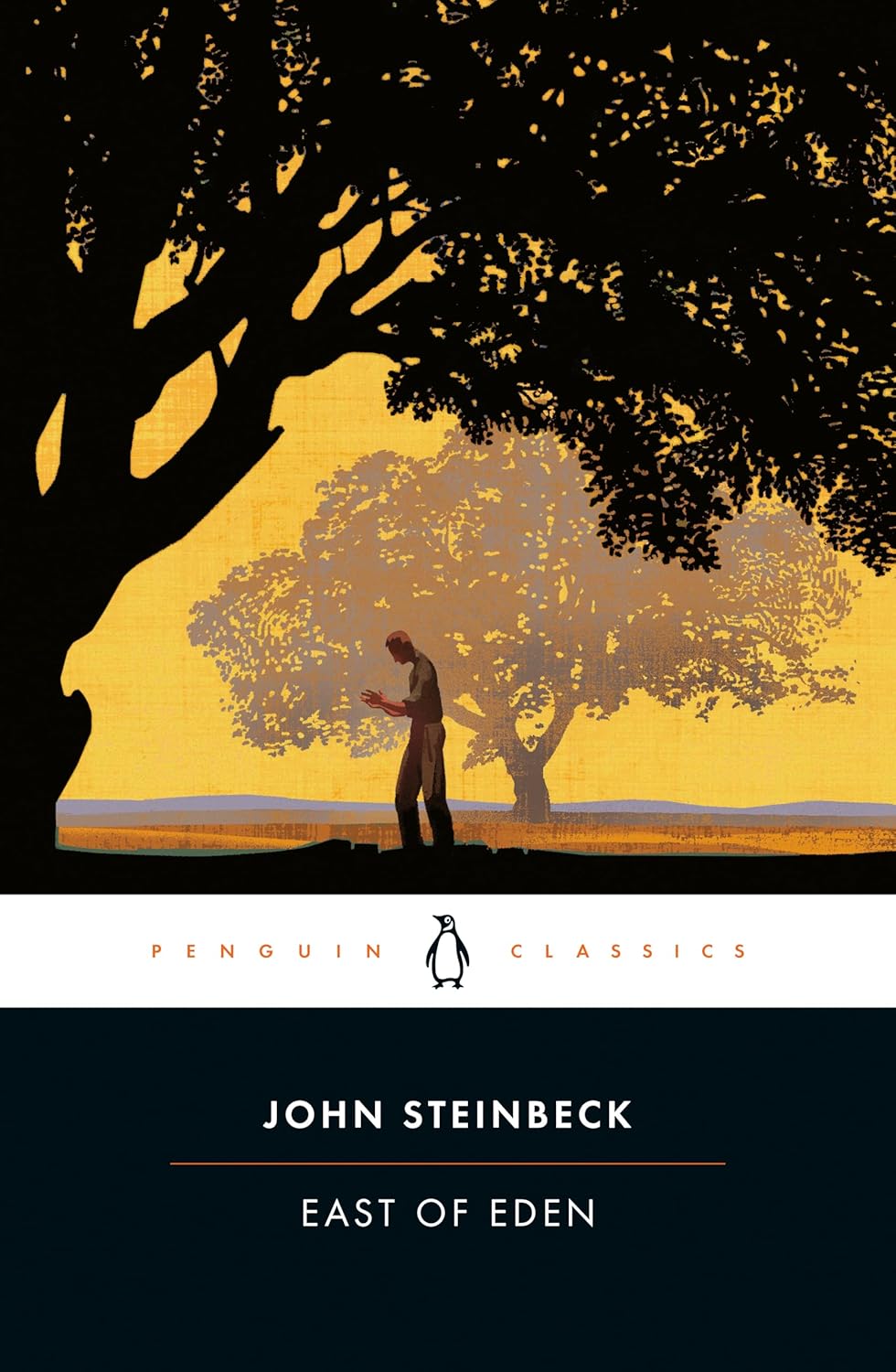
Cover of John Steinbeck’s East of Eden. Image via Goodreads.
The last time I read a book in one go was two years back. I sat - no, huddled with some 700 other students in a noisy TPD lecture hall and needed an escape, and Octavia Butler’s Kindred was the perfect one.
I had mostly read every other book in bits since then, until in the midst of the marketing for the Netflix series, I landed on East of Eden. There was nothing spectacular about how it opened, no attempt to lure you in. And it made sense. It made sense because the author had trusted the story itself with that job.
I can’t remember the exact point I felt undone by the book, but I remember finding myself scribbling, highlighting bits and pieces.
You can boast about anything if it’s all you have. Maybe the less you have, the more you are required to boast.
It rang true, because I had heard my own mom say the same thing in a hundred different ways. It brought a sort of high that quickly nosedived at how vividly Mrs Trask’s suicide in the pond was described. But at that point, the book had become too familiar a feeling, and I did not know how to stop. From then on, all I knew was beautiful and lush writing, beautiful and lush characters.
For the writing, I had said it was beautiful and lush - but there’s a close third. It was judgemental, moved you to judge yourself. Put better, it invites “moral searching”, questioning what is good and what is evil. We see it in how far Lee went on his theological journey to better understand Genesis 4:7, and how he came to understand timshel - the gift of choice, of free will. And as if that wasn’t enough, Steinbeck himself tells us what the story was about (Ch. 34). “There is no other story”, he says. We are all caught in a net of good and evil, and after we are done with our lives, only one question would be left - was it good or evil?
And then there was generosity. I think it takes unbridled generosity to give characters the level of depth this book lavished on its own. They all had lives and souls (and the accompanying good and evil and grey), and somehow, their lives weave through each page as you progress. Lives so jagged because you could see their inner thoughts, and how they carried that externally, and you could see them through the other people in the book. It’s hard to describe how lush, how rich this felt. Tom’s tussle between greatness and shyness, his insecurities, and eventual end; Adam’s mother’s piety; Will’s shrewdness. Each character felt like the main one, because you spend time getting to know them.
But in the nature of writers, and in the nature of fathers, they do have favorites after all. And I think in some way, Aron was only a favorite in the book. For all of the generosity, there wasn’t a lot of attention to spare him, and so most of what we knew came through the lens of everyone else - Cal, Abra, Adam, hell, even Cathy. It felt like he existed to serve Cal’s redemption (lovely as it was, only a little less in how it made the generosity uneven).